How Running Fixed What Smoking Broke
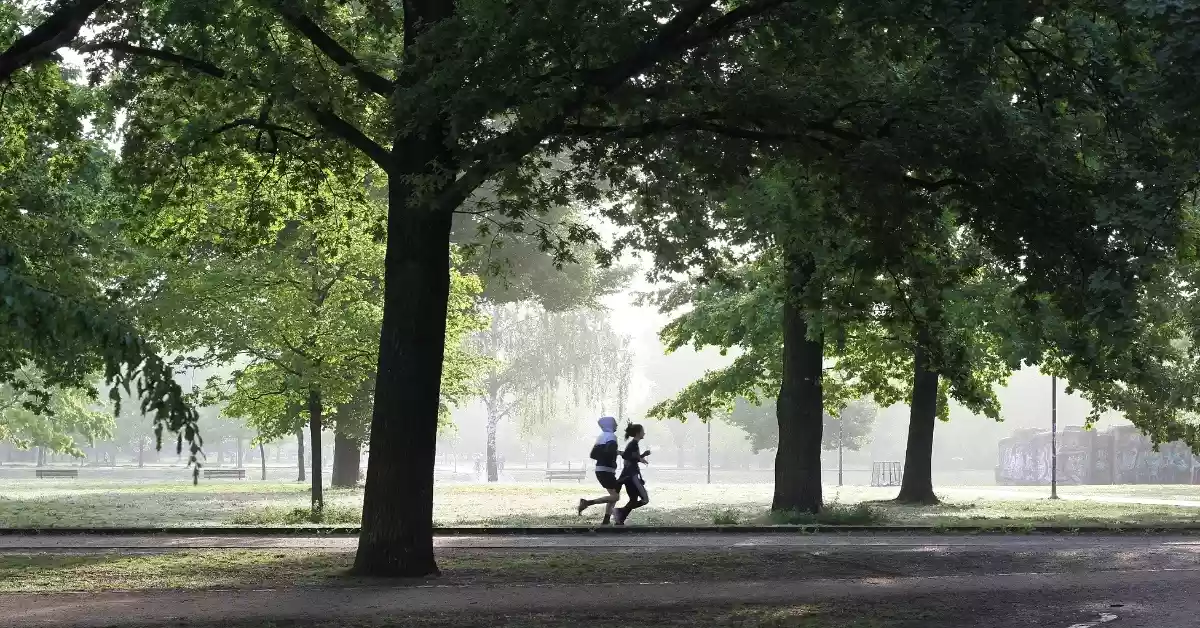
Nobody told me to start running. There was no plan, no program, no goal. Quitting smoking at 45 left a strange kind of emptiness, and running just happened to fill it.
For 27 years, cigarettes were the answer to restlessness. Something to do with the hands. Something to occupy a moment of stress or boredom. When they were gone, the restlessness stayed. The body needed something to replace what had been taken away.
The first run was about ten minutes. Slow, a little embarrassing, mostly walking. The lungs that had carried decades of smoke were not impressed. The legs complained. The whole thing felt more like a reminder of how out of shape things had gotten than any kind of achievement.
The second run happened anyway. So did the third.
The Breathing Thing
Here is what nobody prepares you for when you quit smoking. The lungs do not immediately feel better. The first weeks without cigarettes can actually feel worse in some ways, because the body is working hard to clear what has been sitting there for years.
Running through that process was uncomfortable. There were mornings where breathing felt tight and labored, where a slow jog felt like a genuine effort. The temptation to stop, both the run and the whole quitting attempt, was real.
Somewhere around the third week, something opened up. Hard to describe exactly. The chest felt less like it was working against itself. A run that had felt exhausting two weeks earlier started feeling manageable. The air going in felt cleaner, which sounds obvious but was genuinely surprising to experience.
The connection between stopping smoking and starting to run made itself clear without any explanation. The two habits were undoing and redoing each other at the same time.
The Craving Problem
Cigarette cravings do not disappear the day you quit. They show up at inconvenient times, triggered by habit, stress, coffee, certain situations. For months, they were a daily reality.
Running became the practical answer. When a craving arrived, going outside and moving replaced it. The physical demand of even a short run shifted the body's attention away from the urge and toward the effort. It was hard to want a cigarette when the lungs were already working hard to breathe through a jog.
Willpower alone had gotten the quitting started. Running helped it stick.
What Happened to Food
This was the part that came as a genuine surprise. Food started tasting different. The appetite that had been shaped by years of smoking, which dulls taste and smell over time, began to change. Meals that had seemed fine before started feeling heavy. Simpler food started feeling more satisfying.
The body was sending clearer signals about what it wanted, and what it wanted was not the same as what had seemed normal for years. Processed food felt like the wrong choice on a day that had started with a run. Vegetables, fruit, real food, these felt like the right ones.
Nobody recommended a diet change. The running prompted it naturally.
The Sleep Connection
Sleep had been a problem for a long time. Cigarettes affect sleep quality in ways that smokers often do not notice until they stop. The sleep that comes without nicotine in the system is genuinely different from the sleep that comes with it.
Running added another layer. A body that had moved during the day settled more completely at night. The kind of tired that comes from physical effort is different from the tired that comes from stress or poor sleep cycles. It is a cleaner tired, one that actually leads to rest.
Three things improved together: breathing, eating, and sleeping. None of them were planned. All of them followed from one decision to start moving. The food side of things is worth reading separately cutting sugar made a bigger difference than expected. And the sleep improvements that came with running connected directly to something already in progress an earlier bedtime that changed everything.
What Starting Actually Looks Like
Ten minutes is a real starting point. Walking counts. Going slowly is fine. The goal at the very beginning is simply to go outside and move, nothing more complicated than that.
The body catches up faster than expected. What feels genuinely hard in week one becomes routine in week four. The improvement is not always dramatic day to day, but looking back over a month, the difference is clear.
The lungs that spent 27 years being filled with smoke now do something different with the air they receive. They use it. Properly, fully, in a way that had been forgotten.
That feeling alone was worth every slow, uncomfortable run at the beginning.
InnerForg Forge Your Life From Within.
Join the conversation